
The unsightly reddish-brown streaks beneath a dog's eyes, commonly known as dog tear stains or epiphora, are a frequent concern for owners, especially those with light-colored breeds. While often just a cosmetic issue, these persistent marks can sometimes signal an underlying health problem. Understanding what causes tear stains in dogs is crucial for effective treatment and long-term prevention.
I. Understanding the Science Behind Tear Stains
The streaks aren't just tears; they are a result of a pigment and moisture combination that stains the fur.
A. The Root Cause: Epiphora
Epiphora is the medical term for excessive tearing or the inability of the tears to drain properly. Normally, tears are produced to lubricate the eye and then drain through the nasolacrimal duct (tear duct) into the nose and throat. When this process is disrupted, the excess moisture pools on the face.
B. The Staining Culprits
-
Porphyrins (The Primary Discoloration):
The characteristic reddish-brown color is caused by Porphyrin staining. Porphyrins are iron-containing molecules that result from the normal breakdown of red blood cells in the body. They are naturally excreted through bile, urine, saliva, and tears. When these porphyrin-rich tears remain on light-colored fur, the iron molecules oxidize upon exposure to air and sunlight, creating the deep, rust-colored stain.
-
Yeast and Bacteria (The Darkening and Odor):
The constant moisture created by the pooling tears provides an ideal, warm environment for opportunistic microbes, particularly the Malassezia yeast and certain types of bacteria. These microorganisms contribute a darker, sometimes pinkish-red hue to the stains and can also cause a noticeable odor or mild skin irritation.

II. What Causes Excessive Tearing in Dogs?
The reasons for epiphora can be broadly categorized into anatomical, medical, and environmental factors.
A. Anatomical and Breed Conformation
Certain breeds are genetically predisposed to poor tear drainage due to their unique facial structure.
| Cause | Description | Affected Breeds (Examples) |
|---|---|---|
| Brachycephalic Structure | Flat-faced dogs often have shallow eye sockets and facial folds, leading to poorly angled tear ducts (nasolacrimal ducts) that cannot efficiently drain tears. | Shih Tzus, Pugs, Bulldogs, Boxers, Boston Terriers |
| Ocular Anatomy Issues | Eyelid problems like Entropion (inverted eyelids) or Ectropion (everted eyelids), which cause hair or skin to rub the cornea or disrupt the tear film. | Cocker Spaniels, Shar-Peis, St. Bernards |
| Blocked Tear Ducts | The nasolacrimal ducts are obstructed by debris, inflammation, or scarring, preventing tears from draining internally. A blocked tear duct dog will show tears streaming down the face. | Maltese, Poodles, Bichon Frises |
| Hair Wicking | Long or wiry hair around the eyes acts like a wick, drawing tears and moisture down the muzzle. | Yorkshire Terriers, Schnauzers, Lhasa Apsos |
B. Underlying Medical Concerns (When to See a Vet)
If dog tear stains develop suddenly or are accompanied by redness, swelling, or discharge, an immediate veterinary consultation is necessary to rule out serious health issues:
- Infections: Bacterial or yeast infections in the eye or surrounding skin.
- Allergies: Severe environmental or food-related allergies leading to irritated, watery eyes.
- Corneal Damage: Scratches, ulcers, or foreign objects in the eye.
- Glaucoma: Increased pressure within the eye.
- Dental Issues: Severe pain or infection in the molars can sometimes affect tear duct function due to close proximity.
C. Environmental and Diet Factors
Even in anatomically normal dogs, external factors can contribute to dog eye stains:
- Water Quality: High concentrations of minerals, particularly iron and magnesium, in tap water can worsen porphyrin staining.
- Food Allergies: Sensitivities to common food ingredients (e.g., chicken, beef, wheat, dairy) can trigger inflammation and excessive tearing.
- Irritants: Exposure to smoke, dust, scented candles, or household cleaners.
- Water Bowls: Plastic bowls can harbor bacteria and yeast, which can be transferred to the dog’s face while drinking.

III. How to Remove and Prevent Dog Tear Stains
The most effective approach to clearing the stains involves a combination of daily cleaning, hygiene improvements, and lifestyle adjustments.
A. Daily Grooming and Hygiene
The goal of daily care is to keep the affected area consistently dry and free of fresh tear residue.
- Wipe Twice Daily: Gently wipe the fur beneath the eyes at least twice a day. Use a soft, lint-free cloth or a pet-safe wipe. For daily maintenance and to address mild puppy tear stains, using a safe, gentle wipe is key.
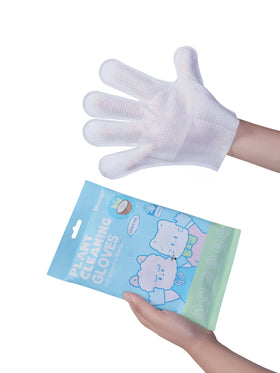
- Use Quality Canine Wipes: Specialized canine eye wipes, such as YourLittleOmo's Cleaning & Deodorizing Bath Wipes, are formulated to be gentle on the sensitive facial area while effectively removing tear residue and controlling odor-causing bacteria. When selecting cleaning tools, it’s important to understand the differences—read more on pet wipes vs. baby wipes: which is safer for your furry friend for a detailed comparison.
- Keep Hair Trimmed: Regularly trim the hair around the eyes to prevent it from wicking moisture. Consistent care, including proper grooming, is essential and can also help prevent common skin issues for pets by promoting better air circulation.
- Keep It Dry: After wiping, gently pat the area completely dry with a clean towel. Moisture is the enemy of tear stain prevention.
B. Environmental and Dietary Changes
If you're wondering how to remove dog tear stains naturally, focusing on diet and environment is the right approach.
| Factor | Prevention Strategy | Goal |
|---|---|---|
| Drinking Water | Switch from tap water to filtered, purified, or distilled water to eliminate excess minerals (iron). | Reduce the porphyrin content in tears. |
| Food & Bowls | Use ceramic or stainless steel bowls, and wash them daily. Consider a high-quality, minimally processed food formula. | Prevent bacterial exposure and address food sensitivities. |
| Allergens | Use an air purifier in your home and regularly wash your dog's bedding. | Minimize environmental irritants that cause eye irritation. |
C. Advanced Treatment and Products
For persistent tear stains on dogs, a multifaceted approach may be necessary:
- Tear Stain Removers: Use topical tear stain remover for dogs that often contain mild bleaching agents or oxidizing compounds. Always use these products externally, avoiding direct contact with the eye.
- Probiotics and Supplements: Some supplements are believed to support gut health, which can, in turn, reduce the body's inflammatory response that exacerbates tearing.
- Prescription Options: In cases where staining is linked to a chronic infection, your vet may prescribe a short course of oral antibiotics (like Tylosin) or an antibiotic eye drop. This is generally reserved for severe, recurrent issues and requires veterinary supervision.
IV. Frequently Asked Questions (FAQ)
The following answers clarify common questions regarding dog tear stain treatment and management.
- Q1: What exactly is the reddish-brown substance causing the stains?
-
The primary cause of the discoloration is Porphyrin. This is a natural, iron-containing molecule that your dog’s body excretes through tears as a byproduct of breaking down red blood cells. The iron in the porphyrin oxidizes (rusts) when exposed to light and air, resulting in the deep reddish-brown color known as porphyrin staining. Bacteria and yeast that thrive in the moisture can also darken the color.
- Q2: Can dogs cry actual tears when sad, like humans?
-
No. While dogs definitely experience emotions, the watery discharge that causes dog tears and tear stains is a physiological response (e.g., irritation, allergy, or drainage overflow), not an emotional response in the human sense. When you see dog eye tearing, it's almost always a sign of a physical issue, not sadness.
- Q3: How long does it take to get rid of dog tear stains?
-
Complete elimination requires patience. The existing stained hair must either be trimmed away or grow out and be replaced by clean fur. With consistent daily cleaning, environmental adjustments (like switching to filtered water), and addressing the root cause, you should see improvement in the new hair growth within 2 to 4 weeks. Full results may take several months depending on your dog’s hair growth cycle.
- Q4: Can I use baby wipes or hydrogen peroxide to remove the stains?
-
It is generally recommended to avoid human products like baby wipes and undiluted hydrogen peroxide. Many baby wipes contain chemicals, fragrances, or moisturizers that can severely irritate your dog's sensitive eyes and skin. For effective and safe daily hygiene, always choose pet-specific options, such as gentle dog tear stain wipes or puppy eye wash solutions. For a detailed breakdown of safety, check out our guide on pet wipes vs. baby wipes: which is safer for your furry friend.
- Q5: When do tear stains signal a serious health issue that requires a vet?
-
While most tear marks dogs display are cosmetic, you should consult your veterinarian immediately if:
- The excessive tearing or staining starts suddenly (especially in an older dog).
- The tears are thick, pus-like, or yellowish/green.
- The eye appears red, swollen, cloudy, or painful.
- The stained area has a strong, foul odor (indicating a severe yeast or bacterial infection).
Your vet can provide the best tear stain remover for dogs by diagnosing the underlying condition.