
Winter brings quiet snowfall, icy sidewalks, and crisp morning walks—but it also introduces unique grooming challenges for dogs. Cold air dries their skin, snow can pack tightly between their toes, and indoor heating can leave their coat dull or irritated. This guide offers a structured, data-informed approach to snow dog grooming, bathing a dog in winter, and protecting dog paws in snow, with actionable routines that keep your pet comfortable all season long.
1. Why Winter Grooming Matters More Than You Think
When temperatures drop, your dog’s coat and paws experience dramatic environmental shifts:
Key Winter Stressors for Dogs
| Winter Element | How It Affects Dogs | Visible Symptoms |
|---|---|---|
| Cold air + low humidity | Strips natural oils | Flaky skin, dull coat |
| Snow & Ice | Forms ice balls between toes | Limping, redness |
| Road salt & de-icers | Chemical irritation | Cracks, dryness, paw licking |
| Indoor heating | Excessive dryness | Itchy skin, shedding |
| Less activity | Less nail wear | Overgrown nails |
A well-structured grooming routine reduces risk of skin problems, supports the coat’s insulation ability, and protects sensitive paws from winter hazards.
For owners interested in the science behind healthy skin barriers, this related guide provides excellent context:
👉 How Grooming Can Prevent Common Skin Issues
2. Winter Coat Care: Keeping Skin Hydrated & Fur Insulated
2.1 Brushing: The Foundation of Snow Dog Grooming
Regular brushing does more than remove loose hair—it distributes natural oils, prevents painful mats, and keeps the undercoat fluffy enough to insulate your dog in freezing temperatures.
-
Brush 3–5 times per week for thick or double-coated breeds
-
Use a grooming glove or slicker brush to remove shed hair gently
-
Pay attention to areas where snow accumulates (armpits, belly, leg furnishings)
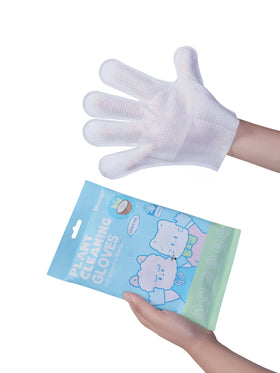
A grooming glove like YourLittleOmo Grooming Gloves helps lift trapped snow, dirt, and dander without irritating the skin—particularly useful in winter when dogs shed unevenly.
2.2 Do Dogs Need Conditioner in Winter?
In short: Yes, most do.
Winter strips moisture from the skin, leading to itchiness and dandruff. A moisturizing conditioner restores softness and prevents over-dryness.
Recommended Winter Bath Routine
| Step | Description |
|---|---|
| Warm rinse | Helps loosen dirt and snow residue |
| Use gentle shampoo | Avoid harsh formulas that remove natural oils |
| Apply conditioner | Hydrates coat & reduces static |
| Full drying | Prevents chills and matting |
3. Bathing a Dog in the Winter: How to Do It Correctly
Bathing a dog in winter requires a slightly different approach to keep them warm and avoid dry skin.
3.1 Winter Bathing Tips
-
Keep the room warm and draft-free
-
Use lukewarm—not hot—water
-
Always dry with a towel + low-heat dryer
-
Avoid bathing too frequently (every 3–4 weeks is ideal)
For quick cleanups between baths—especially after snowy walks—YourLittleOmo Cleaning & Deodorizing Bath Wipes offer a gentle alternative that removes salt residue, mud, and allergens.
4. Protecting Dog Paws in Winter: Step-by-Step Care Guide
Your dog’s paws are the first point of contact with winter hazards. Even brief exposure to snow, ice, or de-icing salts can cause irritation.
4.1 Why Dogs Get Cold Paws in Winter
Cold surfaces draw heat quickly from paw pads, and snow can compress between toes, forming painful ice balls. If you notice limping, licking paws, or redness, it may be due to exposure.
4.2 How to Protect Dog Paws in Winter
A. Trim Paw Hair (Without Overcutting)
Use a paw pad trimmer or grooming scissors to shorten long fur between the toes. This prevents:
-
Snow clumping
-
Ice ball formation
-
Salt sticking to fur
B. Moisturize Paw Pads
Apply a dog-safe paw balm daily to prevent cracks and dryness.
C. Rinse & Wipe After Every Walk
This removes:
✔ Salt
✔ Ice melt chemicals
✔ Grit & sand
Bath wipes work well for quick post-walk cleanups.
D. Use Dog Boots (If Your Dog Tolerates Them)
Best for:
-
Very cold climates
-
Thin-coated breeds
-
Dogs with sensitive paws
4.3 Winter Paw Care Summary Table
| Issue | Cause | Prevention |
|---|---|---|
| Cracked paws | Salt, cold air | Paw balm + wiping after walks |
| Ice balls in fur | Long paw hair | Paw hair trimming |
| Redness/irritation | De-icers | Boots or protective wax |
| Constant licking | Salt or dryness | Rinse paws + moisturize |
If your dog is experiencing tear stains or excessive licking due to winter dryness, you may also find this helpful:
👉 Comprehensive Guide to Dog Tear Stains
5. Indoor Winter Dog Activities (When It’s Too Cold Outside)
Cold days don’t mean your dog must be inactive. Indoor winter dog activities keep them mentally stimulated and prevent stress.
5.1 Simple At-Home Activities
-
Hide-and-seek with treats
-
Puzzle feeders or snuffle mats
-
Indoor fetch with soft toys
-
Trick training sessions
-
Stair climbing for high-energy dogs
5.2 Why Indoor Activities Matter
-
Prevents boredom chewing
-
Supports healthy weight
-
Helps maintain joint mobility
-
Reduces winter anxiety
6. Complete Winter Grooming Checklist

Daily
-
Wipe paws after walks
-
Check between toes for redness or ice buildup
-
Brush lightly to remove snow residue
Weekly
-
Deep brushing session
-
Trim paw hair if needed
-
Moisturize paw pads
Monthly
-
Bathe your dog (with conditioner)
-
Check nails—they grow faster when activity decreases
-
Inspect skin for dryness or flakes
Conclusion: A Winter Routine That Keeps Dogs Comfortable & Healthy
Winter doesn’t need to be stressful for your pet. With thoughtful grooming, paw protection, and coat hydration, your dog can enjoy snowy adventures safely and comfortably. From gentle grooming gloves to moisturizing wipes and a structured routine, you can keep your dog’s skin, paws, and coat resilient against winter’s toughest challenges.