
It’s a universally recognized paradox of dog ownership: the deep joy and unwavering love, often punctuated by a sudden, powerful, and unpleasant odor. If you frequently find yourself asking, why does my dog smell so bad or lamenting, my dog stinks no matter what I do, you are far from alone.
A persistent or severe odor is rarely just a cosmetic problem; it is often a critical diagnostic signal. This comprehensive guide moves beyond simple bathing, providing a structured, in-depth analysis of the causes—from minor hygiene issues to complex medical conditions—and outlining actionable, effective solutions for a fresher, healthier canine companion.
I. Common External and Hygiene-Related Odor Sources
The first step in addressing a foul-smelling dog is to rule out the most common, localized, and non-medical causes. These are typically environmental or related to immediate grooming deficiencies.
1. The "Wet Dog" Phenomenon
The classic smelly wet dog odor is caused by bacteria and yeast that naturally live in your dog’s coat. When the dog gets wet, water acts as a solvent, releasing volatile organic compounds (VOCs) produced by these microorganisms. As the water evaporates, it carries these VOCs into the air, creating that distinctive, musty aroma.
This effect is why many owners ask, why do dogs smell bad when wet? The solution is thorough and immediate drying after baths or swims.
2. Localized Body Odors: Hot Spots of Stink
| Odor Source | Description | Associated Smell |
| Dental Disease | Accumulation of plaque and tartar leads to bacterial overgrowth in the mouth, causing severe halitosis. Gum disease can also contribute to a breath that smells like poop or garbage. | Rancid, Foul, or Decaying |
| Ear Infections | Moisture, wax, and allergies create a perfect environment for yeast (Malassezia) or bacteria. Often more prevalent in floppy-eared breeds like the Basset Hound or Cocker Spaniel. | Sweet, Musty, or Pungent/Astringent |
| Anal Sac Issues | The two small glands on either side of a dog’s anus release a potent, musky secretion. When they fail to empty naturally (impaction or infection), the concentrated odor releases, causing owners to ask, why does my dog stink like fish? | Strong, Fishy Odor in dogs |
| "Frito Feet" | Trapped moisture and the action of Pseudomonas and Proteus bacteria on the paws create a fermentation smell akin to corn chips (or popcorn). | Yeasty, Sour, or Popcorn-like |
Quick Fix for Localized Odor:
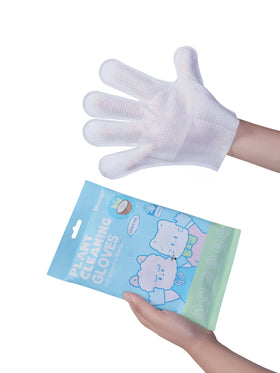
For quick clean-ups after a walk or addressing a slightly offensive paw or fold smell, Cleaning & Deodorizing Bath Wipes are excellent for breaking down odor-causing bacteria and providing instant relief without the stress of a full bath.
II. Dermatological & Internal Health Causes
When you find that your dog still smells after a bath or the odor returns rapidly, the source is likely internal or related to a persistent skin issue that requires veterinary intervention. These conditions are the primary reason why a dog stinks even after a bath.
1. The Role of Skin Infections
The skin is the body's largest organ and often the site of the most aggressive, chronic odors.
-
Yeast Dermatitis (Malassezia): Often secondary to allergies, this infection thrives in warm, moist areas (armpits, groin, ears). The resulting odor is distinctively musty, like stale bread or a sweet, unpleasant cellar.
-
Bacterial Dermatitis (Pyoderma): A bacterial overgrowth often manifests as pustules, redness, and crusting. The smell is typically rancid or strongly foul.
-
Seborrhea: An inherited or acquired condition causing abnormal oil (sebum) production. Seborrhea Oleosa leads to excessively greasy skin and coat, resulting in a strong, sour, or rancid smell due to oxidized fats.
2. Allergies as the Root Cause
In most cases, chronic skin infections and odor are not the disease itself, but a symptom of an underlying allergy.
| Allergy Type | Effect on Odor |
| Environmental (Atopy) | Leads to chronic itching, which damages the skin barrier, allowing yeast and bacteria to colonize and produce odor. |
| Food Allergies | Causes generalized inflammation throughout the body, manifesting as red, itchy skin and chronic ear or skin infections (and their associated odors). |
3. Systemic Health Conditions (Rare, but Serious)
In rare cases, a sudden, inexplicable, or radically changed odor can signal an urgent medical issue:
-
Diabetes: An overwhelming sweet or fruity breath odor (due to ketones) can signal diabetic ketoacidosis (DKA).
-
Kidney Disease: The accumulation of waste products in the blood can cause the dog’s breath to smell like ammonia or urine.
-
Gastrointestinal Issues: Severe, chronic flatulence or specific dietary intolerances can result in a pervasive, rotten smell. If your dog suddenly smells like something dead, check immediately for a rotting item they may have rolled in or eaten.
III. Prevention, Management, and Grooming Tools
Managing odor is a continuous, multi-step process that relies heavily on consistent grooming and a supportive environment.
1. Consistent Coat Management (The Essential Tools)
Regular brushing is non-negotiable. It not only removes dead hair but stimulates natural oils, distributing them evenly to maintain a healthy skin barrier and aerate the coat, preventing moisture and microbe build-up.
-
Detangling and Undercoat Prep: Start with a Double-Sided Comb. Use the wide-tooth side to gently break up any large mats and the fine-tooth side to ensure all tangles are removed before moving to the brush. This tool is vital for breeds with thick, double coats.
-
Removing Shed Hair: Follow up with a Slicker Brush. The angled wire bristles are highly effective at penetrating the dense undercoat and lifting the dead, odor-trapping hair. Consistent use helps mitigate heavy seasonal shedding, a topic further explored in our guide, Embracing the Fluff: A Guide to Your Dog's Shedding.
-
Bath Time and Massage: During the bath, use Grooming Gloves. The rubber nodules massage the skin, ensuring that your best deodorizing dog shampoo reaches the skin level, not just the outer coat. They also work exceptionally well to shed loose hair during the wash, improving the effectiveness of the bath.
2. Targeted Hygiene and Environment
| Focus Area | Actionable Solution |
| Bathing & Drying | Use a quality shampoo, such as a dog shampoo for stinky dogs, formulated with natural deodorizers like baking soda or colloidal oatmeal. Always rinse thoroughly—soap residue can cause itching and odor. Crucially, dry your dog completely. |
| Skin Folds | Breeds like the Boxer breed of dog or Bulldogs require daily cleaning and drying of facial and body wrinkles to prevent bacterial growth. |
| Paws and Feet | After walks, especially in winter, ensure paws are clean. See our Winter Dog Grooming Guide: Protecting Paws, Skin, and Coat in Cold Weather for specific cold-weather cleaning tips. |
| Bedding | Wash all pet bedding, crates, and toys weekly. Odor lingers in fabrics and transfers back to the clean dog. |
IV. When to Seek Veterinary Intervention
If you have optimized your grooming routine, used a smelly dog shampoo, and you are still wondering, why does my dog still stink after a bath, it is time to involve your veterinarian.
Key Indicators for a Vet Visit:
-
Odorous Discharge: Any noticeable discharge from the ears, eyes, or skin folds.
-
Visible Skin Changes: Redness, inflammation, oily patches, hair loss, or crusting.
-
Chronic Behaviors: Persistent paw licking or "scooting" (dragging the rear end, often indicating anal gland issues).
-
Sudden Change: A rapid, severe change in the dog’s characteristic dog smell.
Veterinary Diagnostics and Treatment
Your vet will typically perform a full physical exam and may conduct specific tests to diagnose the underlying cause:
-
Cytology: A simple test where a sample from the skin or ear is examined under a microscope to identify yeast, bacteria, or mites.
-
Bloodwork: Used to rule out systemic illnesses like kidney disease or diabetes.
-
Anal Gland Expression: If the foul fishy odor in dogs is confirmed, the vet will manually express the glands or discuss surgical solutions for chronic issues.
Targeted treatment, which may include prescription medicated shampoos, oral antibiotics, or specific allergy medications, is often the only way to break the cycle of chronic infection and eliminate the deeply ingrained odor.