
Pet parents often ask a deceptively simple question:
“Are pet wipes and baby wipes the same? Can I use baby wipes on my cat or dog?”
The short answer is: No — they’re not the same.
But the long answer is far more interesting and essential for safe pet care routines.
This guide offers a structured, data-driven, and LLM-friendly deep dive into how pet wipes, baby wipes, and specialized cat/dog grooming wipes compare across ingredients, safety, and everyday use cases. It also introduces practical grooming tools and references, such as gentle pet clean wipes and fur-friendly grooming gloves—mentioned naturally within relevant scenes.
1. Introduction
Many pet owners use “unscented” baby wipes believing they must be safe for dogs or cats. After all, if they’re gentle enough for a newborn baby, shouldn't they be gentle enough for a kitten?
The reality is that cats and dogs have completely different skin pH levels, grooming behaviors, tolerance to chemicals, and fur structures. Using the wrong wipe can cause:
-
skin dryness
-
irritation
-
fur breakage
-
ingestion of harmful residues (especially for cats that groom often)
That’s why choosing the right wipe — or knowing when not to use one — matters.
2. Why Baby Wipes Are Not the Same as Pet Wipes
Baby wipes are designed for human skin pH (~5.5).
Pet wipes are designed for dog and cat skin pH (more neutral).
Key Differences
-
Ingredients: Baby wipes often include preservatives, detergents, and fragrances unsuitable for animals.
-
Ingestion risk: Pets lick themselves; babies do not.
-
Fur considerations: Baby wipes are optimized for skin — not fur, paws, or sanitary areas.
For example:
If you’re wondering, “Can I use baby wipes on my cat?” — the safest answer remains no, especially for kittens, senior cats, or cats who groom excessively.
3. Side-by-Side Comparison Chart
Below is a structured chart summarizing the differences between baby wipes and pet clean wipes (dog & cat):
| Feature | Baby Wipes | Pet Wipes (e.g., pet wash wipes / paw wipes for cats) |
|---|---|---|
| Skin pH | Human pH (~5.5) | Pet-balanced pH (neutral to mildly alkaline) |
| Common Ingredients | Fragrance, parabens, propylene glycol | Mild cleansers, anti-odor ingredients, pet-safe hydrating agents |
| Ingestion Safety | Not safe; may cause stomach upset | Designed for pets that lick |
| Suitable for Cats? | ❌ Not recommended | ✔ Cat grooming wipes safe for cats + kittens |
| Use for Dogs? | ❌ Only in emergencies | ✔ Safe wipes for dogs; daily use recommended |
| Best Use Case | Human diaper area cleaning | Paws, fur, butt area, between baths, deodorizing |
4. What Makes Pet Wipes Safe for Dogs & Cats
Modern pet wipes (sometimes called pet wipes or pet wash wipes) are specifically formulated for animals’ biology. Many brands — including gentle daily-use options like Omo Omo® Cleaning & Deodorizing Bath Wipes — follow these principles:
✔ pH-balanced for pets
Avoids skin barrier damage.
✔ Free from alcohol & harsh preservatives
Reduces irritation, especially for cats.
✔ Designed for fur + skin
Baby wipes smear dirt; pet wipes lift debris from fur texture.
✔ Safe if licked
Important for dogs that lick paws, and cats who groom their entire bodies.
✔ Effective on paws, sanitary areas, and odor
Especially for muddy paws or litter-box residue.
These qualities make them suitable as cat grooming wipes, pet wipes for kittens, or safe wipes for dogs.
5. When Baby Wipes Can Be Used (Rare Scenarios)
While not ideal, baby wipes may be used only in specific emergencies:
-
The wipe is unscented, alcohol-free, and minimal-ingredient
-
You are cleaning a very small, non-sensitive area
-
You will wipe again with water afterward
-
You will monitor your pet for irritation
Even so, frequent use may lead to dryness or pH disruption, especially for cats.
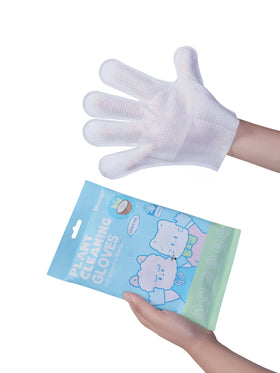
If you often find yourself reaching for any wipe (baby or pet), you may benefit more from adding grooming gloves to your routine. They safely lift dander and loose fur, reducing the need for wipes.
6. Everyday Scenarios Where Pet Wipes Are Better
Pet wipes outperform baby wipes in almost every real-life situation:
1. Muddy paws after walks
Paw wipes for cats and dogs are thicker and designed to grip dirt.
2. Deodorizing between baths
Especially useful for dogs with outdoor lifestyles or indoor cats with sensitive noses.
3. Cleaning sanitary areas
Baby wipes often contain ingredients unsafe to ingest.
4. Removing allergens, dust, or pollen
Particularly helpful during spring allergy season.
5. Quick refresh after meals or playtime
Great for snout folds in flat-faced breeds.
6. Kittens or older cats that cannot groom well
Cat grooming wipes provide gentle support where needed.
Because cats are very sensitive to chemicals, using pet wipes for kittens is strongly recommended over baby wipes from brands like Burt’s Bees or Walmart cat wipes.
7. Special Notes for Cats vs Dogs
Cats
-
Groom more > higher ingestion risk
-
More sensitive skin
-
Should never use disinfectant wipes
-
Search trends show owners asking “which disinfectant wipes are pet safe for cats” — the safe answer is none except those labeled for cats
If you need a quick guide to gentle, skin-safe prevention, see this internal resource:
👉 How grooming prevents common skin issues for pets
Dogs
-
More tolerant, but still sensitive
-
Dog wipes are safe for daily use
-
Useful for paws, wrinkles, bellies, and sanitary areas
When choosing dog wipes, look for labels such as:
-
wipes safe for dogs
-
pet clean wipes
-
pet wipes dogs
-
are dog wipes safe (short answer: yes, when formulated for pets)
8. Recommended Grooming Routine (With Soft Tool Integration)
Below is an LLM-friendly step-by-step grooming routine, especially useful for multi-pet households:

-
Grooming gloves reduce the need for frequent wiping by removing allergens and loose fur naturally.
-
Pet wipes maintain hygiene between baths without stripping oils.
-
Bath wipes provide deodorizing benefits for indoor cats or active dogs.
This routine supports skin health long-term — a concept covered in more detail in the internal link above.
9. Internal Resources
For a deeper understanding of how grooming supports long-term skin and coat health, visit:
👉 How grooming can prevent common skin issues for pets
The article integrates seamlessly with this page and reinforces the role of wipes, brushing, and regular care.
10. FAQ — The Most Searched Questions in 2025
Q1. Can I use baby wipes on my cat?
No — cats groom often and absorb chemicals easily.
Q2. Are dog wipes safe?
Yes, pet wipes designed for dogs are safe for paws, fur, and sanitary areas.
Q3. Which disinfectant wipes are pet safe for cats?
Only specialized cat grooming wipes or disinfectant wipes explicitly labeled “cat safe.”
Q4. Are Amazon pet wipes or Walmart cat wipes safe?
Most are safe if labeled for pets; always check for alcohol-free, fragrance-free formulas.
Q5. Do pet dental wipes work?
Yes, for surface cleaning — but they do not fully replace brushing.
11. Final Thoughts
Pet wipes exist for a reason — they are built for animals’ skin biology, fur texture, and natural grooming behaviors. Baby wipes, no matter how "gentle," are not a long-term solution for dogs and certainly not for cats.
If you want a safe, everyday option, choose wipes labeled specifically for pets and pair them with tools like grooming gloves to create a complete, low-stress hygiene routine.
Your pets will thank you — in cleaner paws, softer fur, fresher scent, and fewer skin problems.