
Cats are famously known for their self-grooming habits—but even the cleanest cat still needs help from their human. Whether you’re a first-time cat parent or looking to refine your current grooming routine, understanding how to groom a cat properly can dramatically improve their health, comfort, and emotional well-being.
This guide walks you through everything you need to know—why cats need grooming, how to groom different coat types, tools to use, and how to build a stress-free routine. You’ll also find practical tips, visuals, and product-specific guidance using different grooming tools (brushes, combs, gloves, wipes) integrated naturally into the routine.
1. Why Grooming Your Cat Matters
Even though cats spend up to 30–50% of their waking hours self-grooming, human-assisted grooming provides benefits that natural grooming alone cannot.
1.1 Health Benefits
| Grooming Benefit | Why It Matters | What You Can Check During Grooming |
|---|---|---|
| Reduces shedding & prevents mats | Especially important for long-haired cats | Tangles, knots, thick undercoat |
| Keeps skin healthy | Boosts circulation, spreads natural oils | Flakes, redness, dryness |
| Minimizes hairballs | Less loose hair swallowed | Frequency of vomiting hairballs |
| Early health detection | Grooming = health check | Lumps, parasites, wounds |
| Reduces allergens & dander | Cleaner home environment | Excessive shedding |
Many cat owners search “do cats need to be groomed?” The answer is yes—and it’s not only about beauty, but also prevention, hygiene, and comfort.
2. Understanding Cat Grooming Behavior
2.1 Why Cats Groom Themselves
Cats groom each other socially (allogrooming).
So what does it mean when a cat grooms another cat?
It signals trust, bonding, and emotional connection—your grooming sessions with your cat should replicate that calm, affectionate interaction.
2.2 When Self-Grooming Is Not Enough
Even though cats clean themselves, issues arise when they:
-
Have long or dense coats
-
Are overweight or elderly
-
Have arthritis or limited mobility
-
Shed seasonally
-
Produce excessive dander
This is where human grooming becomes essential.
3. What You Need for a Complete Cat Grooming Routine
| Grooming Need | Best Tool Type | When to Use |
|---|---|---|
| Daily shedding control | Grooming gloves | Short-haired cats or sensitive cats |
| Removing loose fur & smoothing | Slicker brush | Long-haired breeds; during shedding season |
| Detangling knots & removing dander | Double-sided comb | Thick coats, double coats, long coats |
| Quick cleaning without baths | Deodorizing bath wipes | Elderly cats, outdoor cats, post-meal cleanup |
4. How to Groom Your Cat Step-by-Step
4.1 Step 1 — Start with Gentle Deshedding (Best for All Coats)
Use a soft approach first to help your cat relax.
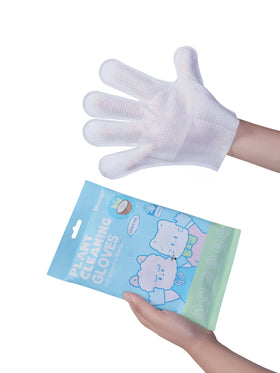
Recommended Tool: Grooming Gloves
A pair of soft grooming gloves is ideal for cats who:
-
don’t like brushes
-
have sensitive skin
-
enjoy being pet, but hate grooming sessions
The gloves mimic petting, making cats more cooperative.
This is perfect for owners searching “do cats like being brushed?”—many prefer gloves over brushes.
4.2 Step 2 — Brush the Coat (Short & Medium Hair)
Use smooth strokes following the direction of fur growth.
Recommended Tool: Slicker Brush
The slicker brush helps:
-
remove loose fur
-
prevent minor tangles
-
spread natural oils
-
reduce dander
This tool is a staple in many cat grooming services near me because of its versatility.
4.3 Step 3 — Detangle, Part, and Deep Grooming (Long Hair / Thick Coats)
For long-haired breeds like Maine Coons, Ragdolls, or Persians, deeper grooming is needed.
Recommended Tool: Double-Sided Comb
The double-sided comb offers:
-
wide-tooth side → perfect wide tooth comb for cats to break up knots safely
-
fine-tooth side → catches dander, debris, and smoothie the outer coat
Great for reducing mats—an issue that often leads people to search “can cats get groomed professionally?”
4.4 Step 4 — Clean Paws, Face, Outdoor Dirt, and Hard-to-Reach Spots
Cats may resist water, making baths unnecessary or stressful.
Recommended Tool: Pet-Safe Cleaning and Deodorizing Wipes
The cleaning & deodorizing bath wipes are ideal for:
-
wiping food stains on the chin
-
cleaning paws after litter or outdoors
-
deodorizing the coat without a bath
-
freshening elderly or overweight cats who can’t groom properly
These wipes answer a common question:
“Do cats need to be bathed?” — Not often, but wipes are a cat-safe alternative.
5. Grooming Frequency Chart (By Coat Type)
| Coat Type | Brushing Frequency | Deep Combing | Wipes / Hygiene | Notes |
|---|---|---|---|---|
| Short hair | 2–3× weekly | Occasional | As needed | Gloves work especially well |
| Medium hair | 3–4× weekly | Weekly | Weekly | Slicker + comb combo |
| Long hair | Daily | 2–3× weekly | Weekly | Prevents mats & hairballs |
| Senior / overweight | Daily | Weekly | More frequent | Reduced mobility = more help |
6. When to Seek Professional Grooming
Even with regular home care, some cats may need expert help.
You may need pet grooming for cats or local services like:
-
“cat grooming services near me”
-
“pet grooming near me for cats”
-
“cat grooming Lincoln NE”
-
“cat grooming San Antonio TX”
Signs it’s time for professional help
-
Severe mats or knots
-
Strong odor
-
Fleas or skin irritation
-
Excessive shedding despite brushing
-
Cat aggressively resists brushing
Cost Consideration
People often ask:
How much does it cost for cat grooming?
Depending on region & service type: $50–$120 for full grooming.
7. Seasonal Grooming: Winter, Shedding Season & Dry Skin Care
During winter, dry indoor air and low humidity affect cats too.
For winter coat protection tips, see:
👉 Related reading: Winter Dog Grooming Guide — Protecting Paws, Skin & Coat in Cold Weather
(Useful even for cat owners; many principles overlap.)
8. Tips for Stress-Free Cat Grooming
-
Start grooming sessions short and gradually increase duration
-
Use treats and slow movements
-
Groom after meals or playtime when your cat is relaxed
-
Avoid brushing against the grain—it irritates the skin
-
Stop if your cat growls, swishes tail aggressively, or flattens ears
-
Use the right tools for your cat’s coat type (not one-size-fits-all)
Remember: the goal is to create a positive bonding ritual, not just maintenance.
9. Final Thoughts: Grooming = Love, Health & Connection
Grooming is more than removing fur—it’s a meaningful way to:
-
strengthen your bond
-
support your cat’s natural grooming instincts
-
reduce hairballs
-
maintain skin and coat health
-
keep your home cleaner
-
detect early signs of health issues
And with the right tools—like a slicker brush, double-sided comb, grooming gloves, and safe deodorizing wipes—you can build a simple, effective routine that your cat enjoys.